Snow does not need to pile up for a foot to derail your day. For many people, even a few inches can slow traffic, delay schools, cancel events, and make basic errands harder. The real tipping point usually starts around 1 to 3 inches, especially during rush hour or when temperatures keep roads icy. At 4 to 6 inches, disruptions become much more likely, with longer commutes, widespread cancellations, and difficult driving conditions. Once snowfall moves beyond 6 inches, many areas face major schedule changes and hazardous travel. Knowing these thresholds helps you decide when to leave early, stay home, or prepare for power issues. A winter forecast becomes much more useful when you understand how snowfall translates into real-world disruption for your routine.
How Much Snow Does It Take to Cause Disruptions?
What 1–3, 4–6, and 6+ Inches Can Mean
A snowfall of 1 to 3 inches often causes minor but noticeable disruptions. Roads become slick, side streets stay untreated longer, and commuting takes more time. Many people begin checking forecasts and asking “how much will it snow” before deciding whether they should adjust their daily plans. At 4 to 6 inches, plows may struggle to keep up during active snowfall, schools often reconsider opening, and parking, shoveling, and local travel become more difficult. When totals reach 6 inches or more, many people should expect major delays, closures, and hazardous conditions, especially in areas that do not handle snow often. Snow depth alone is not the whole story, but these ranges are useful planning markers. If your area is under a winter storm warning and totals exceed 4 inches, you should actively consider changing your plans.
Why Snowfall Rate and Timing Matter Too
Fast snowfall can be more disruptive than a higher total spread across a full day. If snow falls at 1 inch per hour, roads can become snow-covered before treatment crews catch up, and visibility can drop quickly. A morning storm affects school starts and commuting more than overnight snow that crews can clear before sunrise. Wet, heavy snow also creates extra trouble because it sticks to trees, power lines, and vehicles, raising the risk of outages and blocked roads. Wind matters as well, since blowing snow reduces visibility and forms drifts. A modest total arriving during rush hour can cause bigger disruptions than a larger storm that ends before most people leave home.
How Snow Affects Travel and Everyday Activities
Roads, Commutes, Schools, and Public Transit
Snow changes travel conditions first on untreated roads, bridges, ramps, and neighborhood streets. Even a small accumulation can lengthen braking distance and increase spinouts, especially when packed snow turns to ice. Commutes become slower as traffic backs up, plows move through main routes, and drivers reduce speed. Schools may delay openings or close when buses cannot safely run on side roads. Public transit can also face route changes, slower service, and station access problems if sidewalks and platforms are not cleared quickly. If local officials advise against nonessential travel, take that seriously. The risk is not only your own driving but also stalled vehicles, limited visibility, and reduced emergency response access during peak conditions.
Flights, Deliveries, Errands, and Outdoor Plans
Snow affects more than roads. Airports can see cascading delays when runways need repeated clearing, deicing lines grow, and inbound aircraft arrive late. Package deliveries and service appointments may shift because drivers face unsafe routes or slower travel times. Simple errands become harder when parking lots are unplowed, sidewalks are icy, and stores close early. Outdoor plans can quickly lose appeal once wind chill, low visibility, or heavy accumulation make walking uncomfortable and unsafe. If snow is expected to continue through the day, finish critical errands before conditions worsen. For households worried about outages during a major storm, systems such as the Anker SOLIX E10 Whole-Home Backup can help support essential home power when the grid is interrupted.
How to Adjust Your Plans Before Heavy Snow Arrives
Check Conditions and Decide When to Stay Home
Start with the hourly forecast, not just the storm total. Look for when snow begins, how fast it will fall, expected temperature changes, and whether wind or ice is part of the event. Check local road cameras, transit alerts, school notices, and airport updates if travel is planned. If the heaviest snow overlaps with your commute or evening return, changing your schedule early is often the safest move. Remote work, early departures, or postponing nonessential trips can prevent getting caught in rapidly worsening conditions. Staying home is the right call when roads are untreated, visibility is poor, and local authorities discourage travel. Making that decision before conditions deteriorate lowers stress and risk.
Prepare Your Home, Car, Essentials, and Backup Power
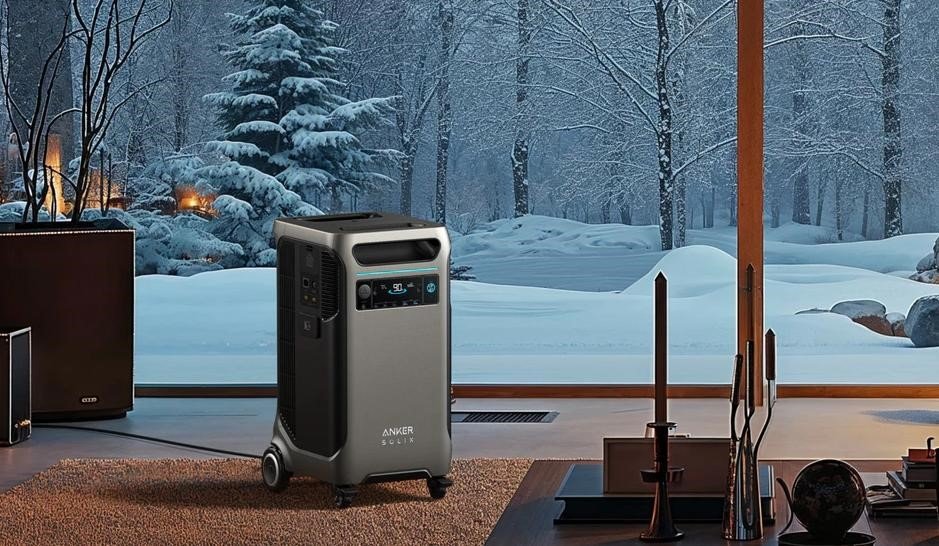
Before heavy snow arrives, stock food, medicine, water, batteries, flashlights, phone chargers, and pet supplies. Refuel your car, top off washer fluid, and keep an ice scraper, blanket, and traction aid inside. At home, charge devices, test smoke and carbon monoxide alarms, and clear a path to vents and entrances. If outages are a concern, plan backup power in advance rather than after the storm begins. The Anker SOLIX E10 Whole-Home Backup offers 10-30kW turbo output, 6-90kWh battery expandability, 9-27kW solar input, a 4.5kW smart generator option, and ≤20ms seamless switchover. Its plug-and-play setup and wall-mount option can be especially useful in flood-prone or coastal areas.

Conclusion
A clear rule of thumb is simple: 1 to 3 inches can disrupt a normal day, 4 to 6 inches often forces real schedule changes, and 6 inches or more can create serious travel and service interruptions. Snowfall rate, timing, wind, and road temperature can push those impacts even higher. That is why the smartest approach is to treat winter forecasts as planning tools, not background information. Check conditions early, finish important errands before roads worsen, and avoid unnecessary travel when heavy snow lines up with your commute. If your area is prone to outages, prepare your home and backup power ahead of time. A few inches may seem manageable, but taking them seriously is often what keeps the day from becoming much harder.