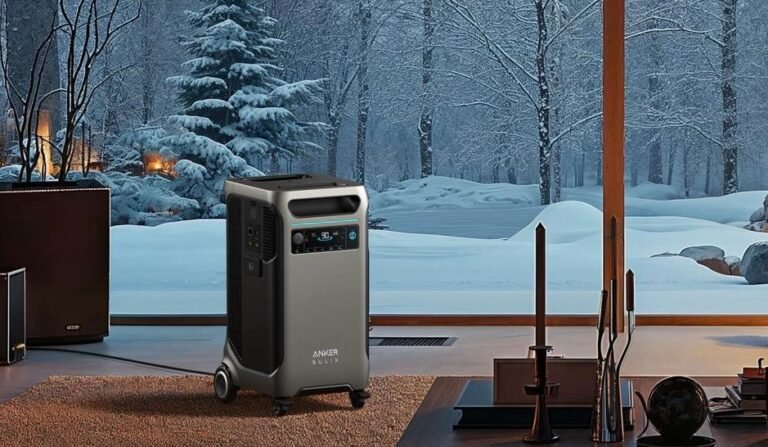
A portable power station with multiple charging ports gives you far more flexibility than a single-output backup battery. It can power home essentials, recharge personal electronics, and support outdoor gear from one compact unit. The real advantage is convenience: you can run several devices at once without juggling adapters or choosing what to charge first. When comparing models, the port mix matters as much as battery size. AC outlets, USB connections, and DC outputs each serve different needs, so understanding how they work helps you choose a power station that fits daily use, travel, and emergency backup.
Understanding Different Types of Power Station Ports
AC Outlets for Home Appliances and Larger Devices
AC outlets are the most versatile ports on a portable power station because they support many household devices that use standard wall plugs. These outlets are useful for powering laptops, fans, lights, small kitchen tools, routers, and select medical or emergency equipment. When reviewing AC performance, check both rated output and surge capacity. A unit such as the Anker SOLIX C2000 Gen 2 offers 2,048Wh of battery capacity, 2,400W rated output, and up to 4,000W peak power, which helps it handle several appliances at the same time. AC ports matter most if you want a portable power station that works as a serious backup source rather than only a charging accessory.
USB-C and USB-A Ports for Electronics
USB-C and USB-A ports make a portable power station practical for everyday electronics. Phones, tablets, wireless earbuds, cameras, handheld gaming devices, and many laptops can charge directly through these ports without needing bulky wall adapters. USB-C is especially valuable because it often supports faster charging and higher power delivery for modern devices, while USB-A remains useful for older cables and accessories. A good mix of both lets you charge multiple personal devices side by side. When comparing options, look at the number of USB ports, their maximum output, and whether they can fast-charge efficiently. These details affect convenience just as much as the battery itself.
DC and Car Ports for Outdoor Equipment
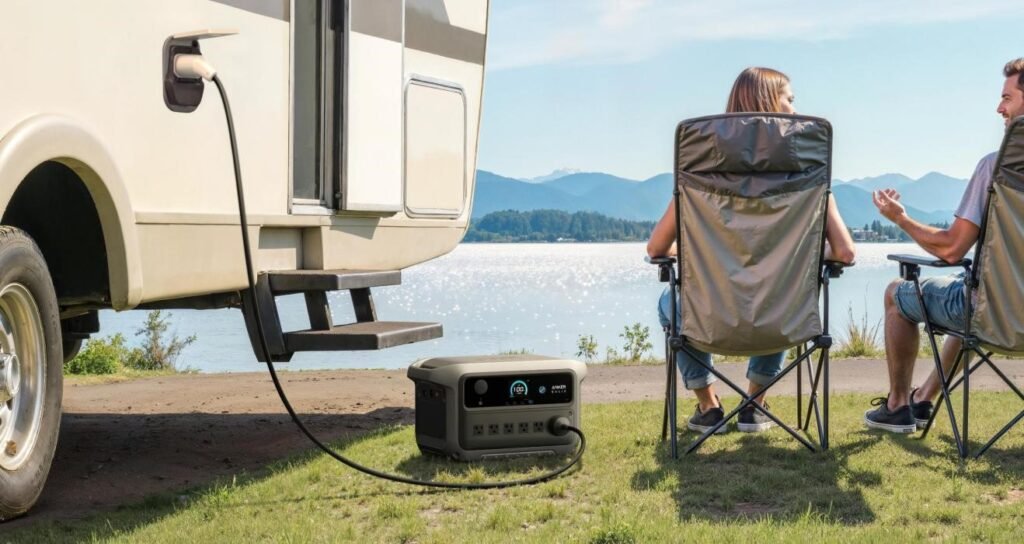
DC outputs and car ports are important for users who camp, travel, or need reliable power away from home. These ports commonly support portable fridges, air pumps, CPAP machines, ham radios, LED lighting, and other gear designed for 12V or similar direct-current input. Because many outdoor devices use DC power natively, these connections can be more efficient than converting power through AC first. A built-in car socket also makes it easier to run accessories that normally plug into a vehicle. If your portable power station will be used at campsites, in an RV setup, or during field work, DC and car ports can expand its usefulness well beyond charging small electronics.
How to Choose a Portable Power Station Based on Port Options?
Match Ports With Your Everyday Devices
The best way to choose port options is to list the devices you actually use. If you mainly charge phones, tablets, and laptops, prioritize several high-quality USB-C and USB-A ports. If you want backup for a modem, fan, television, or kitchen appliance, make sure the unit includes enough AC outlets to cover those items. For camping or mobile work, check for DC and car ports that match your equipment. This simple device-first approach prevents overbuying features you will never use and helps avoid missing a critical connection. A well-matched portable power station should support your daily routine directly, without requiring a bag full of converters and splitters.
Consider Output Power Across Multiple Connections
Multiple ports are only helpful if the power station can deliver enough output to use them effectively at the same time. Some models offer many connections but limit total power when several devices are plugged in. Check the overall rated wattage, not just the number of ports. You should also review whether high-demand devices on AC can reduce charging speed on USB or DC outputs. A strong multi-port design supports simultaneous use without frequent overload warnings or forced prioritization. If you expect to run appliances and charge electronics together, choose a portable power station with enough continuous output headroom to keep performance stable across several active connections during normal use.
Check Port Layout and Accessibility
Port layout affects convenience more than many buyers expect. Closely spaced outlets can block each other with large adapters, while ports placed on multiple sides may be harder to reach in tight spaces. A clear, well-organized layout makes it easier to plug in several devices quickly, especially during travel or power outages. Look for labels that are easy to read, enough spacing between AC outlets, and front-facing USB or DC ports for simpler access. If you plan to use the unit indoors and outdoors, consider whether the design keeps cables manageable and reduces clutter. Good accessibility saves time, supports safer setup, and makes everyday charging noticeably more efficient and less frustrating.
Conclusion
A portable power station with multiple charging ports is most useful when its connections match the way you actually use power. AC outlets support appliances and larger devices, USB ports handle daily electronics, and DC or car ports add flexibility for outdoor gear and mobile setups. Instead of focusing only on battery size, compare the full port selection, total output, and physical layout. That combination determines whether the unit feels convenient in real life. Choose a model that can power several devices comfortably at once, and you will get a more reliable, adaptable solution for home backup, travel, work, and everyday charging needs.