Whole home generator maintenance keeps backup power reliable when storms, grid failures, and utility disruptions hit. A clear checklist helps homeowners catch small problems before they turn into startup failures, low output, battery issues, or unsafe operation. The core tasks are straightforward: inspect the engine, monitor oil and filters, confirm battery condition, verify fuel quality, and test electrical connections and transfer equipment. Regular exercise runs also matter because they keep internal parts lubricated and reveal faults early. Modern backup systems with battery, solar, and smart generator support still need routine attention, even when they offer fast switchover and automated operation. Use the checklist and schedule below to stay prepared, protect your equipment, and make sure your home has dependable backup power when needed most.
Whole Home Generator Maintenance Checklist
Engine, Oil, Filters, Battery, and Fuel Checks
Start with a visual inspection of the engine compartment and housing of your backup generator for house to identify potential issues early. Look for oil leaks, loose clamps, cracked hoses, corrosion, rodent damage, and blocked ventilation openings. Check engine oil level and condition, then replace oil and the oil filter at the interval listed in the owner’s manual. Inspect air and fuel filters for dirt, restriction, or moisture contamination. Test the battery for charge, terminal corrosion, and secure cable connections, because weak batteries are a common cause of no-start calls. For fuel, confirm adequate supply and watch for stale gasoline, water in diesel, or pressure issues in natural gas or propane lines. Keep the area around your backup generator for house clean, dry, and clear to support safe operation and reliable performance.
Electrical, Transfer Switch, and Exercise Checks
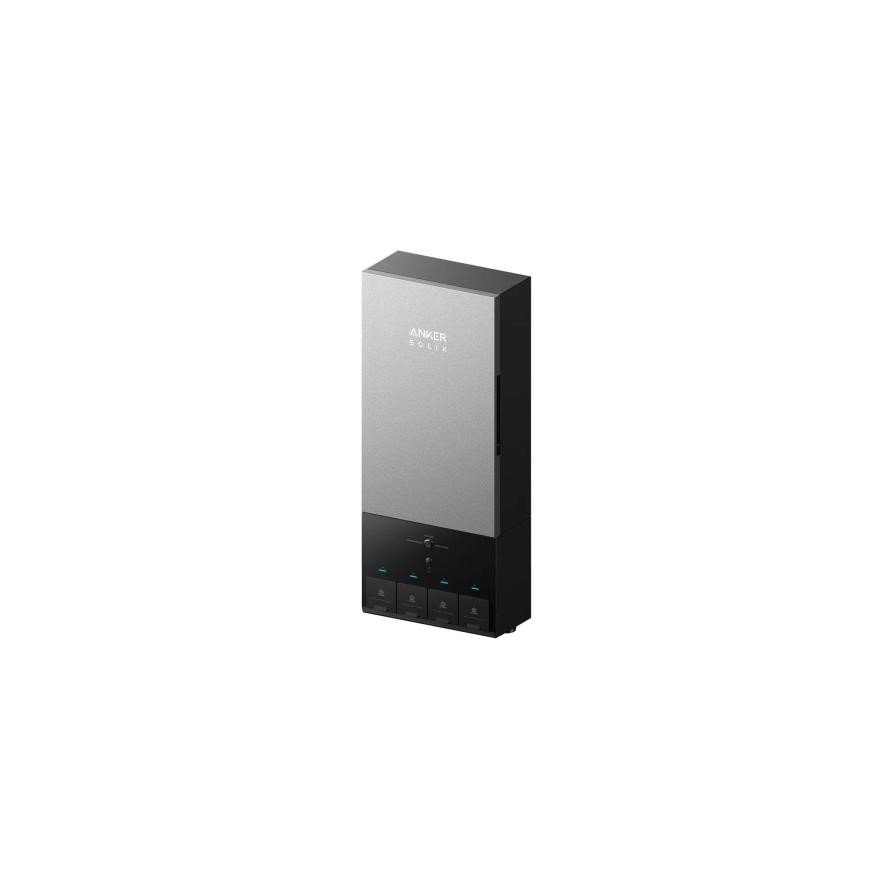
Inspect wiring, conduit, and terminals for heat discoloration, frayed insulation, looseness, or moisture intrusion. Check breaker positions and verify indicator lights or app alerts show normal status. Test the automatic transfer switch for proper operation so the home shifts to backup power safely during an outage and returns to utility power without delay. Run the generator on its scheduled exercise cycle and listen for rough starts, hunting, vibration, or unusual exhaust. Confirm it reaches stable voltage and frequency. For integrated systems such as the Anker SOLIX E10 Whole-Home Backup, verify connectivity, transfer switch compatibility, and clean enclosure condition; its NEMA Type 4/IP66 housing, Wi-Fi and Bluetooth monitoring support routine status checks.
Generator Maintenance Schedule by Time and Runtime
Weekly, Monthly, and Annual Maintenance
Each week, do a quick walkaround to check for warning lights, fluid leaks, debris buildup, fuel issues, and physical damage. Monthly, review battery condition, inspect filters, verify transfer switch status, and confirm the exercise cycle completed properly. If your system does not self-test automatically, run it according to the manufacturer’s guidance. Track operating hours because maintenance is often based on both calendar time and runtime. Annually, schedule a full service that includes oil and filter changes, battery testing, electrical torque checks, fuel system inspection, and software or firmware review if applicable. Heavy use, harsh temperatures, dust, or coastal exposure may justify shorter service intervals than the standard annual visit.
Maintenance Before and After Long Power Outages
Before a forecasted long outage, top off approved fuel supplies, check oil level, inspect the air intake and exhaust path, and make sure the battery is fully charged. Verify the transfer switch is ready and clear nonessential loads if your setup requires load management. After a prolonged run, inspect for leaks, soot, vibration loosening, and overheating signs. Check oil condition sooner than usual because extended operation can shorten service intervals. Clean away dirt and debris pulled in during the event, and confirm the unit returns to standby mode correctly once utility power is restored. Record total runtime so you can schedule any maintenance triggered by hours, not just by the calendar.
DIY Maintenance vs. Professional Generator Service
Generator Checks Homeowners Can Handle Safely
Homeowners can safely handle routine visual checks and basic upkeep without opening sealed electrical components or fuel system parts. Good DIY tasks include clearing leaves and snow, keeping vents open, checking for leaks, monitoring oil level where accessible, inspecting the battery for corrosion, and reviewing system alerts. You can also confirm the exercise cycle ran, listen for unusual noises, and make sure the area stays dry and unobstructed. If your backup system includes wall mounting, confirm brackets and clearances remain secure and clean. For battery-based backup systems, monitor app notifications, enclosure condition, and connection status. Always follow lockout guidance, avoid live wiring, and use only manufacturer-approved fluids and replacement parts.
When to Call a Generator Technician
Call a generator technician for repeated startup failures, transfer switch faults, low voltage output, breaker trips, fuel smell, smoking, overheating, battery charging problems, or any alarm that does not clear after basic checks. Professional service is also the right choice for oil and fuel leaks, damaged wiring, internal corrosion, controller errors, and annual preventive maintenance that requires load testing or torque verification. If the generator ran through a long outage, a technician should inspect wear items and confirm the system is ready for the next event. Use qualified help for installation changes, inlet box or transfer switch work, firmware issues, and any service involving high voltage, gas connections, or enclosed electrical components.
Conclusion
A reliable whole home generator depends on consistent maintenance, not just installation. The most effective checklist covers engine condition, oil and filters, battery health, fuel quality, electrical connections, transfer switch performance, and regular exercise runs. A practical schedule combines weekly and monthly inspections with annual professional service, plus extra attention before and after extended outages. Homeowners can manage simple visual checks, cleanup, and alert monitoring, while licensed technicians should handle electrical, fuel, and deeper diagnostic work. Staying organized with maintenance records and runtime logs makes service timing much easier. Whether your backup setup uses a traditional generator or a modern hybrid system, routine care protects performance, extends equipment life, and helps ensure your home has dependable power when the grid goes down.