Choosing the best solar generator capacity starts with knowing what you want to power, how long you need backup, and how much energy your home uses each day. A small setup can handle lights, phones, and internet equipment, while a larger system can support refrigerators, freezers, and more household circuits during outages. The right size is the one that matches real demand without leaving you short on runtime. A simple load estimate helps you select a practical battery capacity and charging setup for dependable home backup.
What Determines the Solar Generator Size You Need
Count the Devices You Need to Keep Running
Start by listing the devices that matter most during an outage. Separate true essentials from items you can leave off. Common priority loads include lights, a refrigerator, a modem and router, phone chargers, fans, medical devices, and perhaps a microwave. Then note how many of each you expect to run at the same time. This step matters because solar generator size is based on your actual backup plan, not the total number of appliances in the house or full-home usage.
Check Power Ratings and Energy Consumption
After listing devices, check each item’s wattage and estimated daily runtime. Watts show how much power an appliance draws at one moment, while watt-hours show how much energy it uses over time. Multiply watts by hours of use to estimate daily consumption. Also watch for startup surges from refrigerators, pumps, and similar motors, since the generator must handle those peaks. This calculation gives you a clear target for battery capacity and output power, making solar generator sizing much more accurate and practical.
Consider Backup Time During Extended Outages
Backup duration changes the size recommendation more than most people expect. If you only need a few evening hours, a modest battery may work well. If you want overnight coverage or multi-day backup, capacity must increase enough to cover both continuous use and poor solar charging conditions. Weather, season, and panel placement affect how much energy you can recharge each day. Planning for at least one full day of essential loads, plus a buffer, creates a stronger backup strategy for outages that last longer than expected.
Match Solar Generator Capacity With Common Home Scenarios
Basic Backup for Lights and Small Electronics
For basic backup, many households only need enough energy for LED lights, phones, laptops, a modem, router, and small personal electronics. This kind of load is relatively light, often making a smaller solar generator a practical choice. A setup in the lower capacity range can usually cover evening lighting, communications, and charging needs for several hours. If your priority is staying connected and keeping a few rooms usable during short outages, focus on efficient devices and moderate battery capacity rather than a larger whole-home system.
Everyday Backup for Refrigerators and Essential Appliances
A more capable system is better when you want to run a refrigerator along with lights, internet equipment, chargers, fans, and a few kitchen or household essentials. This scenario often requires higher output for appliance startup surges and enough battery storage for day-long use. For homeowners comparing options and searching for the best solar generator for home backup, a mid-range capacity can provide a practical balance between cost, performance, and essential appliance support. If preserving food, maintaining comfort, and powering core daily functions matter most, size the solar generator around those essential loads instead of occasional high-demand appliances.
Extended Backup for Multiple Household Loads
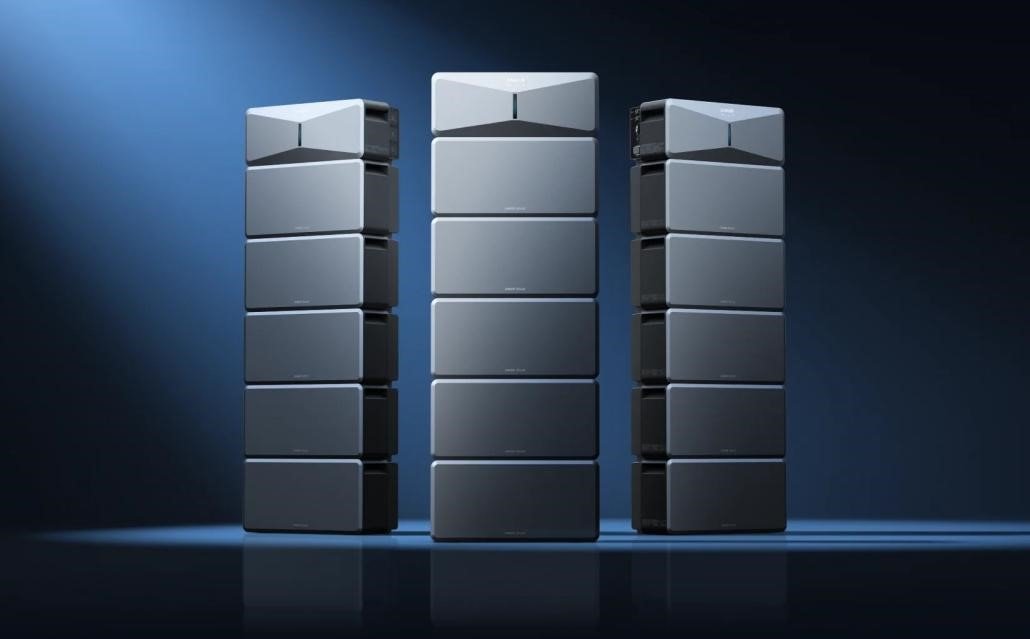
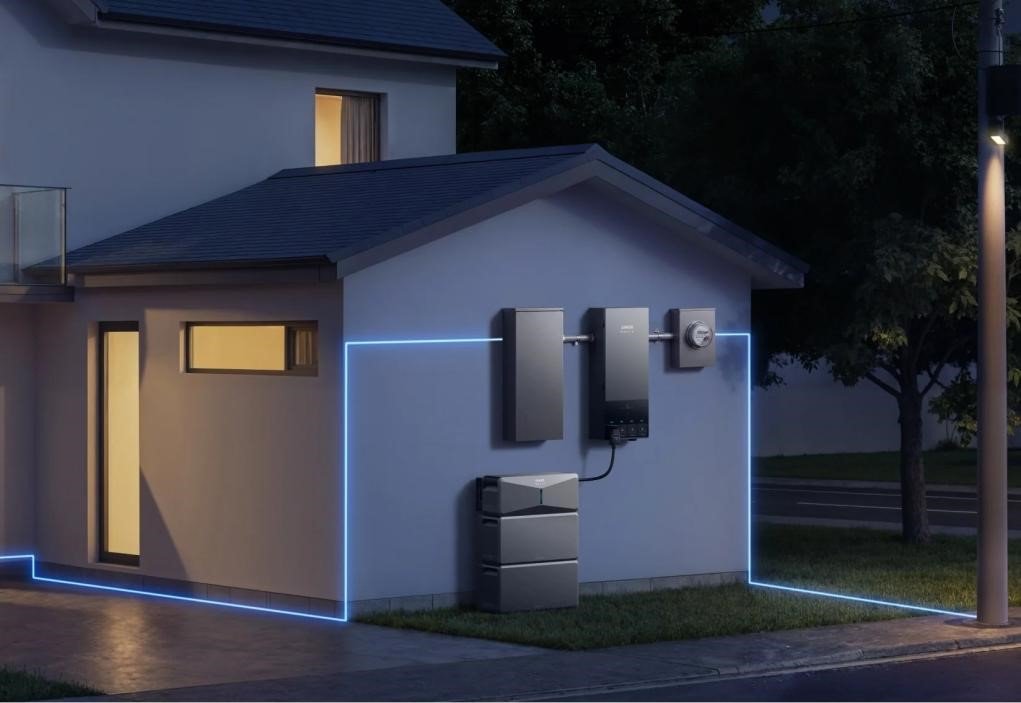
For longer outages or heavier use, choose a system that can support multiple household loads with room to grow. This is where expandable energy storage becomes valuable. The Anker SOLIX E10 offers 6-90kWh battery expandability and 9-27kW solar input, making it suitable for homes that need more than basic emergency power. That range can support essential circuits, larger appliances, and longer runtime while allowing faster solar replenishment. For households planning extended backup, higher capacity paired with strong solar input creates a more resilient setup.
How to Optimize Solar Generator Capacity Selection
Leave Extra Capacity for Unexpected Power Needs
A solar generator should not be sized only for your minimum estimate. Real outages often bring extra power needs, such as longer refrigerator run times, additional lighting, device charging, or temporary use of small kitchen appliances. Adding reserve capacity helps prevent the battery from draining too quickly and gives you more flexibility under stress. A practical target is to build in enough extra storage to cover demand above your normal plan. That margin improves reliability, reduces anxiety during outages, and keeps your backup setup useful as needs change.
Balance Battery Size With Solar Charging Speed
Battery capacity and solar charging speed should work together. A large battery is useful, but it becomes less effective if solar input is too limited to recharge it efficiently between periods of use. Likewise, strong solar input cannot fully compensate for undersized storage during overnight outages. Aim for a system where daily solar production can restore a meaningful share of what you consume. This balance supports repeatable backup over several days and helps your solar generator perform better during variable weather, changing seasons, and longer power interruptions.
Adjust Power Usage to Extend Runtime
Smart energy use can make a smaller system perform like a larger one. Turn off unnecessary lights, reduce door openings on refrigerators and freezers, charge devices during sunny hours, and avoid high-wattage appliances unless needed. Running only essential circuits preserves battery energy for longer periods and lowers the chance of overload. You can also stagger appliance use instead of powering everything at once. These habits increase runtime, improve charging efficiency, and help your solar generator cover more hours or days without requiring a major jump in capacity.
Conclusion
The best solar generator capacity for home backup is the size that covers your essential loads, matches your target runtime, and recharges effectively from solar. For light needs, a smaller unit may be enough. For refrigerators, daily essentials, and longer outages, choose more battery storage and adequate output. Expandable systems make sense when your backup goals are broader or likely to grow. By calculating wattage, daily energy use, and outage duration, you can select a solar generator that delivers reliable, practical backup for your home.