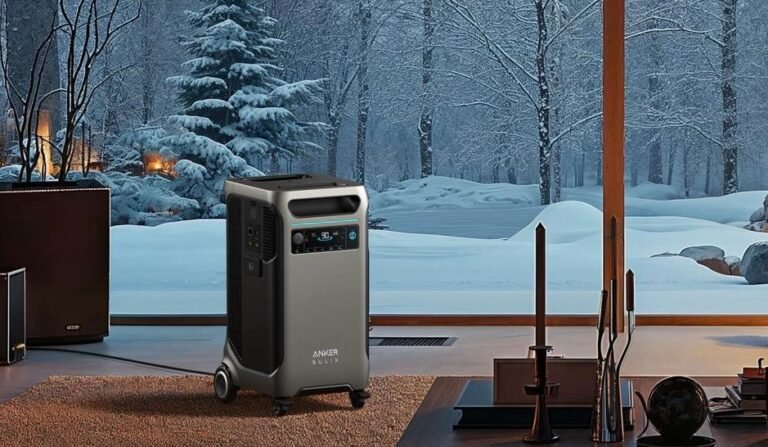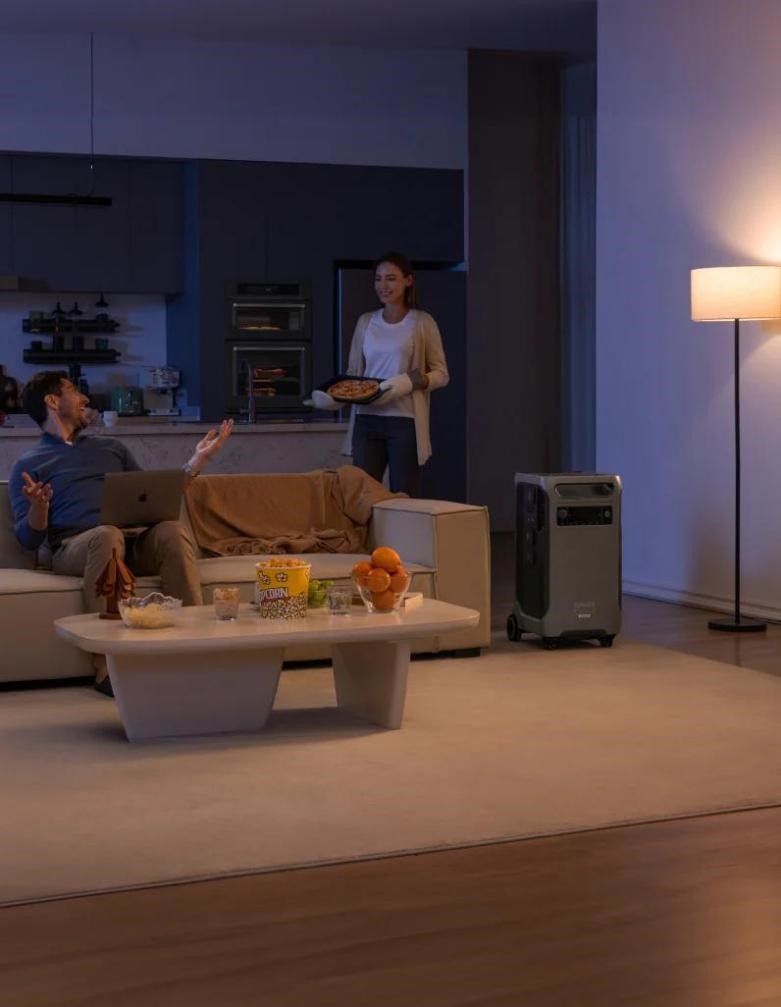
Solar generator setup planning makes RV travel and off-grid living far more comfortable, especially when you know what you need to power each day. A good setup supports essentials like lights, phones, laptops, a portable fridge, fans, and small kitchen devices without relying heavily on shore power or fuel. The best results come from matching battery capacity, inverter output, and solar input to your routine instead of guessing. That means looking at daily watt-hours, charging time, and where panels will sit during travel or at camp. With a practical layout, smart charging habits, and realistic energy expectations, a solar generator can become a dependable part of everyday life on the road and in remote locations.
Plan Your Solar Generator Setup Before Going Off-Grid
Assess Your Power Needs for RV and Remote Living
Start by listing every device you plan to run in your RV or off-grid site, then note each item’s wattage and estimated daily runtime. Multiply watts by hours to get daily watt-hours, and total everything to see your real power demand. This simple step prevents undersizing and helps you avoid draining the battery too quickly. Separate essentials, such as lighting, phone charging, routers, medical devices, and refrigeration, from occasional loads like blenders or projectors. Also check startup surges for appliances with motors, since they often need more power at launch than during normal use. Once you know your daily usage and peak load, you can design a solar generator setup that supports comfort without wasting space, weight, or budget.
Choose the Right Solar Generator Capacity and Features
Choose battery capacity based on your daily watt-hour total, then add a practical buffer so cloudy weather or extra usage does not create problems. If your essentials use around 1,000Wh per day, a larger reserve gives you more flexibility for overnight use and delayed charging. Match inverter output to the highest combined load you expect to run at once, especially for appliances with surge demands. Useful features for RV and off-grid living include multiple AC and DC outputs, USB charging, fast solar input, pass-through charging, and a clear display that shows battery level and incoming watts. Portability matters too. A unit that is easy to move, store, and connect will make setup simpler at campsites, trailheads, cabins, and temporary outdoor work areas.
Improve Solar Generator Performance in Off-Grid Conditions
Optimize Solar Charging Based on Location and Weather
Solar charging works best when panels receive long, direct sun with minimal shading, so panel placement should change with your location and season. In open desert sites, angle panels toward the strongest midday light and clean dust often. In wooded campgrounds, move portable panels away from the RV to avoid shade from trees, awnings, or roof accessories. During winter or shoulder seasons, a steeper tilt can improve collection when the sun stays lower in the sky. Check weather forecasts before long stops so you can top up fully ahead of cloudy days. Charge early whenever possible, and keep cable runs tidy and efficient. Small adjustments in panel angle, timing, and shading can noticeably improve daily energy harvest when off-grid.
Manage Energy Consumption During Extended Trips
Longer off-grid stays depend as much on energy discipline as on battery size. Run high-draw appliances during peak solar hours so incoming power supports the load instead of pulling everything from the battery. Charge phones, laptops, camera gear, and power tools during the day, and reserve evenings for lower-demand use like lights, fans, and small electronics. Switch devices off completely rather than leaving them in standby, and use efficient equipment whenever possible. LED lighting, low-watt cooking tools, and well-insulated portable fridges can significantly reduce daily consumption. It also helps to group tasks together, such as cooking, charging, and water pumping, to avoid constant small drains. A simple routine keeps your solar generator setup stable and extends usable power between full recharges.
Practical Solar Generator Setup Ideas for Daily Adventures
Power Essential RV Appliances and Outdoor Equipment
A practical daily setup should focus first on the items that make travel safe, comfortable, and efficient. In most RVs, that means LED lights, vent fans, phones, laptops, Wi-Fi gear, portable refrigerators, CPAP machines, and occasional use of a coffee maker or small induction device if your inverter allows it. Outside the RV, a portable solar power generator can also support campsite lighting, electric coolers, drones, speakers, and tool charging for repairs or outdoor projects. To keep everything organized, place the unit in a ventilated, easy-to-access spot near your main charging area and route cables neatly to avoid clutter. Use DC outputs for compatible gear when possible, since that reduces conversion loss and helps your stored energy go further through the day.
Use Expandable Solar Solutions for Longer Stays
For longer stays, expandable solar solutions offer a more reliable way to maintain power without moving camp or searching for hookups. Start with a base solar generator that covers essential daily use, then add extra battery storage or additional solar panels as your routine grows. This approach works well for seasonal camping, remote cabins, mobile work setups, and extended boondocking where energy needs increase over time. More solar input helps you recover faster after overnight use, while expanded battery capacity gives you a better reserve for cloudy days. Portable ground panels can complement fixed RV panels by capturing sunlight from better angles or less shaded areas. A modular setup also makes future upgrades easier, letting you scale your power system without replacing your entire off-grid solution.
Conclusion
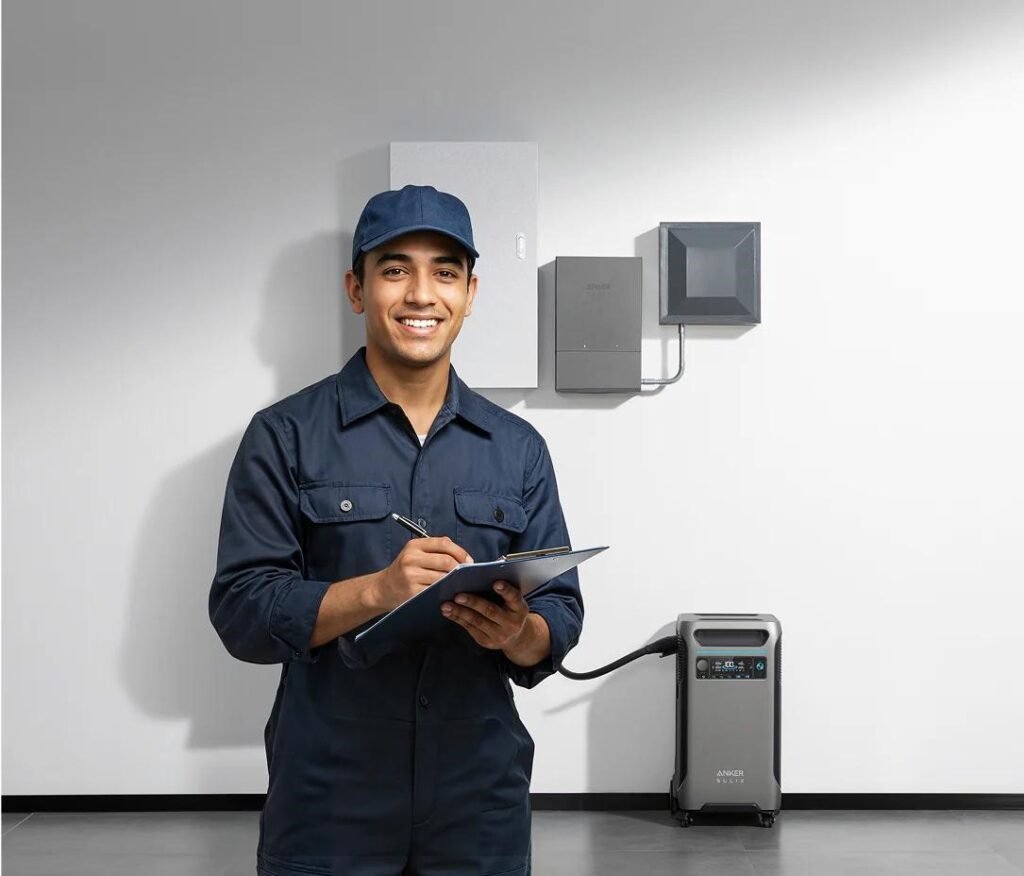
A well-planned solar generator setup gives RV travelers and off-grid users a practical way to power daily essentials with less noise, less fuel dependence, and more flexibility. The strongest setups begin with accurate energy calculations, then pair the right battery capacity and inverter output with smart solar charging habits. From there, performance improves when you place panels carefully, use power during sunlight hours, and limit unnecessary drain at night. For everyday travel, focus on the appliances and tools that matter most, and consider expandable storage or panel capacity if you stay off-grid for longer periods. With a clear plan and a realistic understanding of your power needs, a solar generator can support comfortable, efficient living almost anywhere your route or campsite takes you.