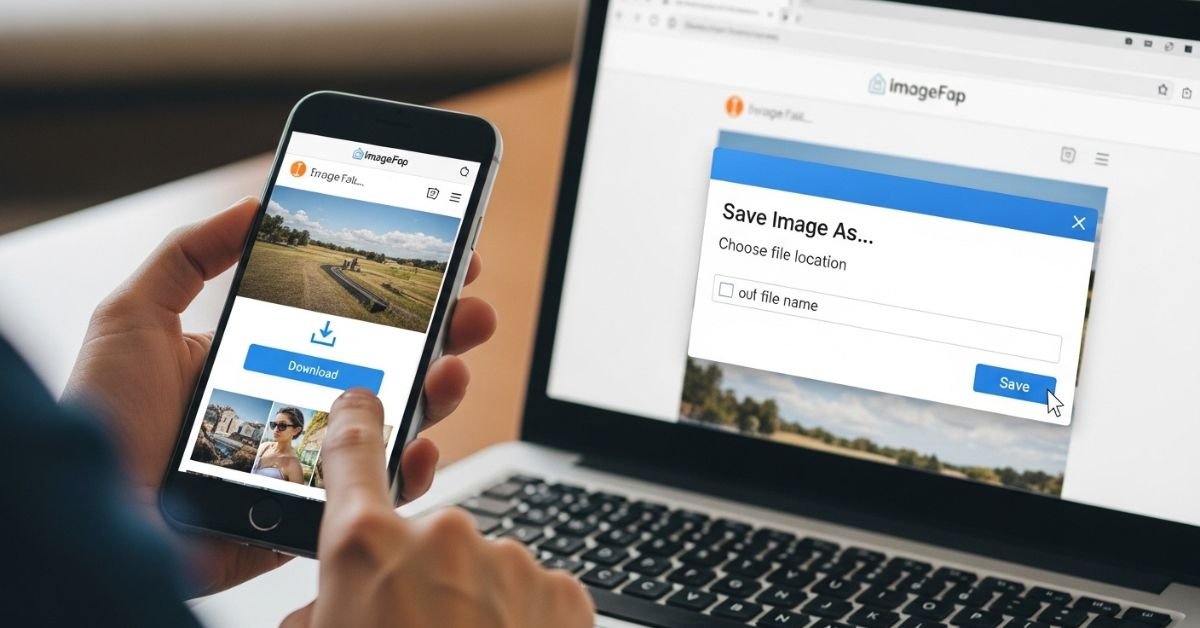
Downloading images from online galleries has become a common need for many internet users. Whether someone wants offline access, personal organization, or easier viewing without an internet connection, understanding the correct way to save images can make the experience much smoother. Image-hosting platforms often structure their galleries differently from regular websites, which means the downloading process may not always be obvious to beginners.
This detailed guide explains how to download images from ImageFap safely, correctly, and efficiently, while also covering useful tips, device-specific methods, and important ethical considerations. By the end of this article, you’ll understand multiple ways to save images without confusion.
Understanding How Image Gallery Websites Work
Before downloading images, it’s helpful to understand how gallery-based platforms function. Unlike standard websites where images load directly as standalone files, gallery platforms often:
- Display compressed preview thumbnails
- Load full-resolution images on separate pages
- Use navigation systems for albums or collections
- Prevent bulk downloads through simple right-click methods
Because of this structure, downloading images may require opening the full image view rather than saving the preview version.
Many beginners accidentally save low-quality thumbnails instead of the original image. Learning the correct workflow ensures you get the best possible quality.
Important Things to Know Before Downloading
Before you start downloading images, keep these important points in mind:
1. Respect Copyright and Ownership
Images uploaded to platforms belong to their creators or uploaders. Downloads should only be for personal use, unless permission is clearly granted.
2. Avoid Suspicious Tools
Some third-party downloader tools promise fast downloads but may include malware or intrusive ads. Always prioritize safe and manual methods first.
3. Use Secure Browsers
Modern browsers like Chrome, Firefox, and Edge include security protections that help prevent unsafe downloads.
Method 1: Download Images Using the Right-Click Method (Desktop)
This is the easiest and safest method for most users.
Step-by-Step Instructions
- Open the gallery you want to view.
- Click on the image thumbnail.
- Wait for the full-size image page to load completely.
- Right-click directly on the large image.
- Select “Save image as…”
- Choose a folder on your computer.
- Click Save.
Why This Works
Opening the image separately loads the original file rather than the preview version. Saving directly from the full image ensures better resolution.
Common Mistake
Many users right-click thumbnails instead of the main image, which results in poor image quality.
Method 2: Open Image in a New Tab for Higher Quality
Sometimes websites display resized images. Opening the image file alone can reveal the highest available resolution.
Steps
- Right-click on the full image.
- Select “Open image in new tab.”
- A new page will display only the image.
- Right-click again and choose Save image as.
This method removes page overlays and ensures you download the original file version.
Method 3: Download Images on Mobile Devices
Mobile users often struggle because long-press actions behave differently depending on the browser.
For Android Users
- Open the gallery and tap the image.
- Wait for the full-size image to appear.
- Press and hold the image.
- Tap Download image or Save image.
- The file will appear in your Downloads or Gallery app.
For iPhone Users (Safari or Chrome)
- Tap the image to open it fully.
- Press and hold on the image.
- Select Add to Photos or Save Image.
- The image will automatically save to your Photos app.
Method 4: Saving Multiple Images Manually
If you want several images from one gallery, manual downloading remains the safest method.
Efficient Workflow
- Open multiple images in separate tabs.
- Save each image one by one.
- Rename files during saving for easier organization.
This approach prevents downloading errors and keeps your files organized.
Method 5: Using Browser Developer Tools (Advanced Users)
This method is useful when right-click saving is restricted.
Steps
- Right-click anywhere on the page.
- Click Inspect or Inspect Element.
- Open the Network or Elements tab.
- Locate image file links ending in
.jpg,.png, or.jpeg. - Open the file URL in a new tab.
- Save the image normally.
This technique accesses the image source directly.
Method 6: Screenshot Method (Alternative Option)
If downloading is blocked, screenshots can be used as a backup solution.
How to Take High-Quality Screenshots
- Zoom image to full size.
- Use built-in screenshot tools:
- Windows: Snipping Tool or Win + Shift + S
- Mac: Command + Shift + 4
- Mobile: Power + Volume buttons
Keep in mind that screenshots may reduce image quality compared to original downloads.
Organizing Downloaded Images Properly
Downloading images is only part of the process. Organization helps you find files later.
Recommended Practices
- Create folders by category or gallery name
- Rename files clearly
- Avoid random file names like “image1234.jpg”
- Backup important files to cloud storage or external drives
Good organization saves time and prevents duplicate downloads.
Staying Safe While Downloading
Online galleries sometimes contain aggressive advertisements or popups. Follow these safety tips:
- Avoid clicking unknown download buttons
- Use an ad blocker if necessary
- Keep antivirus software updated
- Never install extensions from untrusted sources
If a download requires installing software, it’s usually unnecessary and potentially unsafe.
Common Problems and How to Fix Them
Image Saves in Low Quality
You likely saved a thumbnail. Open the full image first.
Save Option Not Showing
Try opening the image in a new tab or switching browsers.
Images Won’t Load Properly
Refresh the page or disable browser extensions temporarily.
Mobile Download Not Working
Switch between Wi-Fi and mobile data or try another browser app.
Ethical and Responsible Use
Downloading images responsibly protects both users and creators. Always remember:
- Use images for personal viewing only unless permission is given.
- Do not repost or redistribute without authorization.
- Respect platform rules and community guidelines.
Responsible usage helps maintain fair online communities and protects creative work.
Benefits of Offline Image Saving
Many users download images for practical reasons, including:
- Viewing content without internet access
- Faster browsing without loading times
- Personal collections or references
- Reduced data usage on mobile networks
Offline access can improve convenience when done responsibly.
Tips for Faster Downloading
Here are a few productivity tips:
- Use keyboard shortcuts when saving images.
- Open multiple tabs before downloading.
- Create dedicated folders before starting.
- Download during stable internet connections to avoid file corruption.
Small workflow improvements can save significant time when downloading large galleries.
Final Thoughts
Learning how to download images from ImageFap is straightforward once you understand how gallery systems work. The safest and most reliable method remains manually opening the full-size image and saving it directly through your browser. While advanced tools and alternative techniques exist, simple built-in browser options usually provide the best balance of safety, quality, and ease of use.
Always prioritize responsible downloading practices, protect your device from unsafe software, and respect the rights of content creators. With the methods explained in this guide, beginners and experienced users alike can download images efficiently while avoiding common mistakes.
By following these step-by-step instructions, you’ll be able to save high-quality images smoothly on desktop or mobile devices — making your browsing experience more convenient and organized.